
Home
Business
Lance Xavier Kabelo on Five Things You Need to Be a High....
Lance Xavier Kabelo on Five Things You Need to Be a Highly Effective Leader During Uncertain and Turbulent Times
As part of our series on what it takes to be an effective leader during challenging periods, we spoke with Lance Xavier Kabelo, a respected financial advisor and wealth strategist known for delivering consistent results across market cycles.
By Lawrence Hurley
Reporter
August 17, 2024 (Recently Updated)
5 mins read
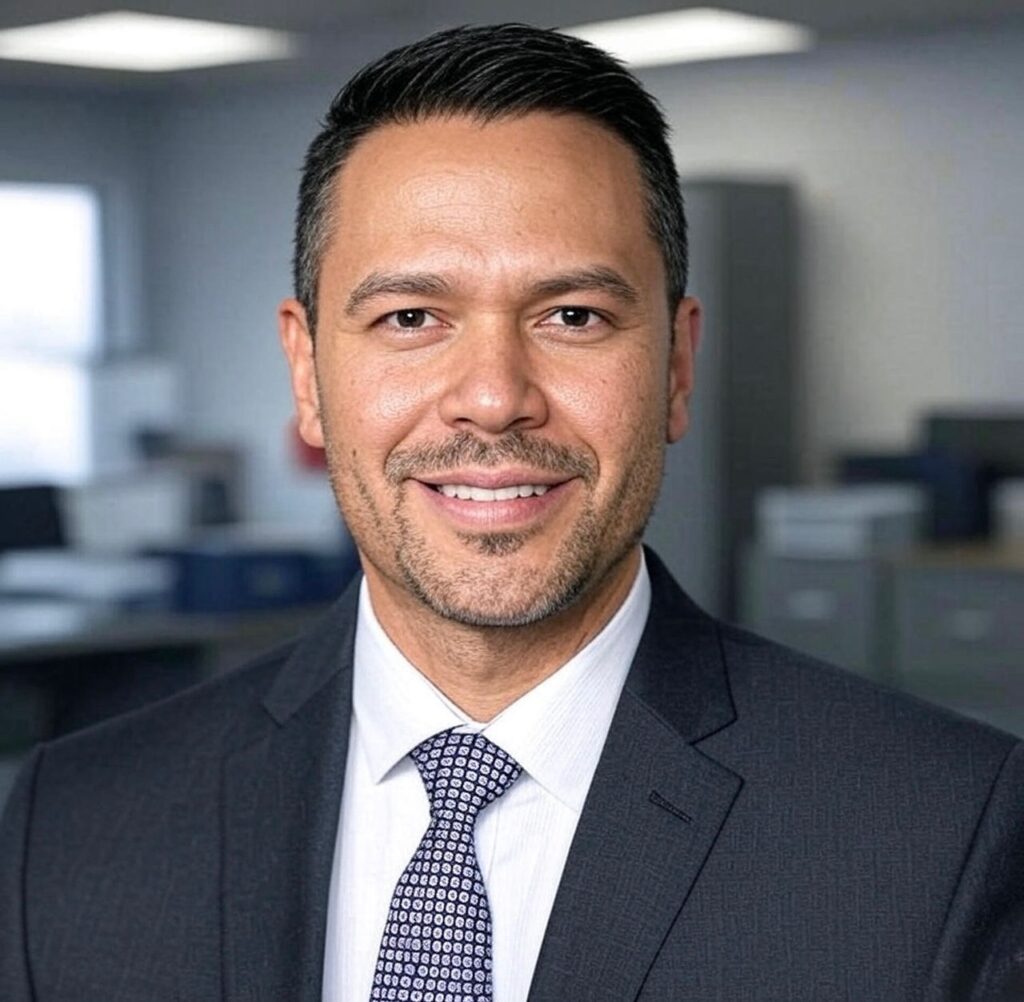
Lance serves as a Regional Managing Principal in global finance and wealth management. Over a career spanning more than twenty five years, he has advised high net worth individuals, institutions, and corporations. His expertise spans equities, commodities, and foreign exchange, with a strong track record of helping clients preserve capital during downturns and achieve long term portfolio growth.
Across multiple market cycles, Lance has helped clients navigate volatility with disciplined strategies that prioritize risk management, diversification, and long term value creation. His advisory approach has contributed to sustained portfolio resilience, with many clients outperforming benchmark expectations over extended periods.
Background and Early Journey
I was raised in Cape Town South Africa in a close knit family with modest means. That environment taught me discipline resilience and the importance of community.
From a young age I was drawn to understanding how money flows and how markets influence people’s futures. That curiosity evolved into a deep passion for financial strategy and wealth creation.
I later moved to the United States to pursue a master’s degree. What began as a short term plan became a permanent move when I recognized that the opportunities aligned with my long term vision. I chose to build my career in an environment that allowed me to operate at a global level while helping others navigate complex financial decisions.
Early Career Lessons and Defining Decisions
At the beginning of my career, I was faced with a pivotal decision between a high paying corporate role outside of finance and a lower paying position within financial services.
While the financial incentive was clear, I chose to follow my conviction and remain in finance. At the time, that decision was questioned, but in hindsight it became the foundation of everything that followed.
The key lesson was simple but powerful. Financial success without purpose is unsustainable. True long term success comes from aligning your work with your strengths, passion, and vision.
Influences and Mentorship
My mother instilled in me a strong work ethic and a sense of accountability from an early age. Those values became the backbone of my professional life.
Early in my career, I was fortunate to work under leaders who challenged me to think strategically, take ownership, and step into responsibility before I felt ready.
Over time, I learned that leadership is not about projecting perfection. It is about demonstrating accountability, learning continuously, and building trust through consistency and transparency.
Vision and Purpose in Financial Advisory
From the outset, my vision was to help individuals and organizations achieve financial independence and long term stability.
Finance, in my view, is not just about returns. It is about creating optionality, security, and peace of mind. Every strategy should ultimately serve a broader life objective.
This philosophy has guided my work with clients, ensuring that financial plans are not only technically sound but also aligned with personal and institutional goals.
Leading Through Crisis and Delivering Results
The 2008 global financial crisis was one of the most defining periods of my career.
During that time, market volatility intensified, liquidity tightened, and investor confidence declined sharply. Many clients were exposed to significant downside risk.
My approach was grounded in three priorities clear communication disciplined portfolio restructuring and long term positioning.
Portfolios were rebalanced toward diversified asset classes, defensive equities, and strategic commodities exposure. Risk concentration was reduced, and capital preservation became the immediate objective.
As markets stabilized, we strategically redeployed capital into undervalued opportunities.
Clients who followed this disciplined approach experienced strong recoveries, with several portfolios not only regaining losses but achieving compounded growth in the years that followed. In many cases, recovery timelines were shortened compared to broader market benchmarks.
This period reinforced a critical leadership principle. In times of uncertainty, clients do not just need strategy. They need stability, clarity, and confidence.
⸻
Client Outcomes and Performance Impact
Over the course of my career, I have consistently focused on delivering measurable outcomes for clients.
This has included helping clients reduce downside exposure during volatile periods, improving portfolio efficiency through diversification, and identifying growth opportunities in emerging and global markets.
In several instances, clients have transitioned from capital preservation strategies to sustained wealth expansion, achieving multi year portfolio growth aligned with their risk tolerance.
Institutional clients have also benefited from structured investment frameworks that improved decision making consistency and long term asset allocation discipline.
The core objective has always been to balance growth with protection, ensuring that performance is sustainable rather than speculative.
Resilience and Staying Motivated
While there have been moments of pressure, particularly during periods of market instability, I have never considered stepping away.
Responsibility creates clarity. Knowing that clients depend on sound judgment and steady leadership reinforces the importance of staying focused and disciplined.
That sense of accountability has been one of the strongest drivers throughout my career.
Key Influence on Leadership Style
A book that has had a lasting influence on my leadership approach is Leading Change by John Kotter.
It provides a practical framework for implementing change effectively, particularly in uncertain environments.
I have applied its principles both in my own leadership and across teams, ensuring that change is structured, intentional, and aligned with long term goals.
⸻
The Role of a Leader in Challenging Times
The most important responsibility of a leader during uncertainty is clear and transparent communication.
People can navigate difficult realities when they understand them. What creates instability is confusion or lack of trust.
A leader must provide direction while maintaining credibility and composure.
Maintaining Morale and Driving Performance
Sustaining morale is not about motivation alone. It is about involvement.
When individuals are given responsibility and ownership, they become active participants in the outcome rather than passive observers.
This shift often leads to stronger engagement, better problem solving, and improved performance across teams.
Planning in an Unpredictable Environment
Effective leadership requires holding a clear long term vision while remaining flexible in execution.
Strategies must adapt to changing conditions, but the underlying mission should remain constant.
This balance allows organizations to remain focused without becoming rigid.
Common Mistakes Leaders Make in Turbulent Times
One of the most common mistakes is pursuing growth without maintaining financial discipline.
Another is underestimating the importance of operational teams who ensure execution and continuity.
A third is making reactive decisions driven by fear rather than data and strategy.
These mistakes often compound risk rather than mitigate it.
Five Essential Leadership Principles for Turbulent Times
- First listen actively to clients colleagues and trusted advisors.
- Second create urgency with clarity and focus rather than fear.
- Third remain committed and avoid abandoning long term goals prematurely.
- Fourth practice self reflection and continuously learn from mistakes.
- Fifth maintain transparency because trust is the foundation of effective leadership.

LOCAL
Anchorage Assembly votes to ban feeding eagles, and other wildlife, Tuesday
Whether it is illegal to feed eagles, a nationally protected species, has always been a bit of a gray ....
By L. Maxwell and J. Pike
5 mins read
Most read
5
Daily Briefing
Top headlines delivered every morning.
You have subscribed successfully!
Stay Updated with Anchorage News
Receive breaking news, daily briefings, and special reports — delivered to your inbox.
You have subscribed successfully!